
Effective Universal Instruction: A Comprehensive Plan
UDL proactively designs lessons for diverse learners, optimizing access and engagement for all students within inclusive classrooms, fostering equitable learning opportunities.
This framework shifts focus from fixing students to adapting instruction, ensuring curriculum accessibility and maximizing each learner’s potential for success.
Universal Design for Learning (UDL) represents a paradigm shift in educational thinking, moving away from a “one-size-fits-all” approach to a more flexible and inclusive model. It’s a planning framework grounded in research from cognitive neuroscience, aiming to optimize learning for all students.
UDL isn’t about lowering expectations; rather, it’s about removing barriers to learning and providing multiple pathways to demonstrate understanding. This proactive approach anticipates learner variability – differences in abilities, interests, and learning styles – and designs instruction accordingly.
Essentially, UDL seeks to create learning environments where every student can access the curriculum, engage meaningfully, and achieve their full potential, mirroring accessibility advancements seen in architecture and technology.
The Core Principles of UDL

UDL is built upon three core principles: Engagement, Representation, and Action & Expression. These principles aren’t isolated components but interconnected facets of effective instructional design. Engagement focuses on sparking interest and motivation, tapping into learners’ passions and providing autonomy.
Representation addresses how information is presented, offering diverse formats and options for perception, language, and comprehension. Finally, Action & Expression concerns how students demonstrate their learning, providing varied methods for physical action, expression, and communication.
These principles work synergistically to create a learning experience that is both accessible and challenging for all students.
Engagement: Sparking Interest and Motivation
Engagement, a cornerstone of UDL, aims to stimulate learners’ interest and motivation for learning. This isn’t simply about capturing attention; it’s about fostering a sense of relevance, purpose, and autonomy. Offering choices in assignments, topics, or methods of learning empowers students and increases their investment.
Increasing relevance through authentic tasks and real-world connections further fuels motivation. Minimizing threats and distractions creates a safe and supportive learning environment. Ultimately, engagement is about tapping into what learners care about and making learning personally meaningful.
Representation: Diverse Ways of Knowing
Representation within UDL focuses on presenting information and content in multiple formats to cater to diverse learning styles and needs. This means offering options for perception – providing auditory, visual, and tactile alternatives. It also involves clarifying language, mathematical expressions, and symbols, ensuring comprehension for all learners.
Presenting information in varied formats, like text, audio, video, and interactive simulations, allows students to access content in ways that resonate with them. This proactive approach minimizes barriers and maximizes learning, acknowledging that knowledge isn’t one-size-fits-all.
Action & Expression: Demonstrating What Students Know
Action & Expression in UDL emphasizes providing students with varied ways to demonstrate their understanding. This goes beyond traditional tests and essays, offering options for physical action, expression, and communication. Students might choose to present information through oral reports, digital presentations, or even artistic creations.
Crucially, UDL supports executive functions – planning, organizing, and self-regulation – helping students manage their learning process. By allowing flexible methods of demonstrating knowledge, UDL empowers learners to showcase their abilities in authentic and meaningful ways, fostering confidence and success.
Benefits of Implementing UDL in the Classroom
Implementing UDL yields significant benefits, notably increased student access and participation as barriers to learning are proactively minimized. This fosters improved motivation and self-efficacy, empowering students to take ownership of their learning journey. A key advantage is the reduced need for individualized accommodations, as the curriculum is designed to be inherently flexible and inclusive from the outset.
UDL creates a more equitable learning environment, ensuring all students have opportunities to succeed. It shifts the focus from “fixing” students to optimizing instruction, leading to a more positive and productive classroom dynamic.
Increased Student Access and Participation
UDL dramatically increases student access by removing inherent barriers within the curriculum itself. Multiple means of representation ensure content is perceivable by all learners, regardless of learning style or ability. Providing varied options for action and expression allows students to demonstrate understanding in ways that best suit their strengths.
This proactive approach fosters greater participation, as students feel more confident and capable. When learning is accessible, engagement rises, and students are more likely to actively contribute and take risks, leading to a more dynamic and inclusive classroom environment.
Improved Student Motivation and Self-Efficacy
UDL cultivates intrinsic motivation by offering choices and tapping into student interests, making learning more relevant and authentic. When students have autonomy and perceive the value of their work, engagement naturally increases. This sense of ownership fosters a belief in their ability to succeed – boosting self-efficacy.
By reducing frustration and providing appropriate challenges, UDL empowers students to become active, confident learners. Success breeds further motivation, creating a positive cycle of learning and growth, ultimately leading to greater academic achievement.
Reduced Need for Individual Accommodations
UDL proactively minimizes the need for retroactive accommodations by designing instruction that is inherently accessible to a wider range of learners. By addressing variability from the outset, many students can access the curriculum without requiring individualized modifications. This isn’t to eliminate accommodations entirely, but to reduce reliance on them.
A well-implemented UDL framework streamlines the learning process, freeing up teacher time and resources previously dedicated to creating bespoke supports. This allows educators to focus on personalized instruction and deeper engagement with all students.
UDL vs. Traditional Instruction
Traditional instruction often employs a “one-size-fits-all” approach, assuming a typical learner and requiring adaptations for those who deviate. UDL, conversely, acknowledges inherent learner variability and designs instruction to accommodate diverse needs from the start. This proactive stance contrasts sharply with the reactive nature of traditional methods.
While traditional models often address learning barriers after they emerge, UDL anticipates them. It shifts the focus from “fixing” students to optimizing the learning environment for all students, fostering inclusivity and equitable access to education.
Addressing Variability in Learners
UDL fundamentally recognizes that learners differ in numerous ways – their prior knowledge, learning styles, interests, and neurological capabilities. Effective universal instruction doesn’t aim to eliminate these differences, but rather to design learning experiences that are flexible enough to support them.
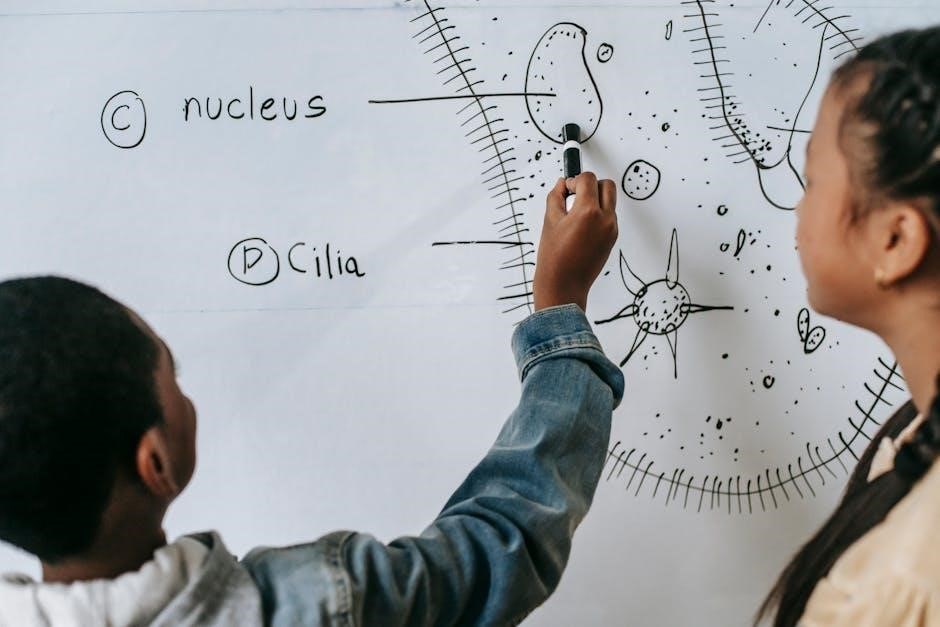
This means providing multiple means of representation, action & expression, and engagement. By offering choices and options, UDL minimizes barriers and maximizes opportunities for all students to demonstrate their understanding, regardless of their individual strengths or challenges. It’s about proactive design, not retroactive remediation.
Proactive vs. Reactive Approaches
Traditional instruction often takes a reactive approach, addressing learning barriers after they emerge, typically through individualized accommodations. UDL, conversely, is profoundly proactive. It anticipates learner variability from the outset and designs instruction to minimize barriers before they impact learning.
Instead of “fixing” students who struggle, UDL focuses on creating a flexible learning environment accessible to all. This shift reduces the need for costly and time-consuming individual modifications, fostering a more inclusive and efficient educational system. Proactive design empowers all learners from the start.
Practical Strategies for UDL Implementation
Implementing UDL requires a deliberate shift in instructional planning. Educators must move beyond a “one-size-fits-all” model and embrace flexibility. This involves offering multiple means of representation – presenting content in varied formats like visual, auditory, and textual.
Furthermore, providing multiple means of action & expression allows students to demonstrate understanding in ways that suit their strengths. Finally, tapping into student interests through multiple means of engagement is crucial. These strategies create a more inclusive and effective learning experience for all.
Multiple Means of Representation: Content Delivery
Effective content delivery through UDL necessitates diverse approaches. Educators should provide options for perception – offering information through audio, video, and tactile methods alongside traditional text. Simultaneously, offering options for language, mathematical expressions, and symbols clarifies complex concepts.
Presenting information in multiple formats, such as diagrams, charts, and real-world examples, caters to varied learning styles. This proactive approach ensures all students can access and comprehend the material, regardless of their individual learning preferences or challenges.
Providing Options for Perception
UDL emphasizes offering information in multiple sensory modalities. This means going beyond solely relying on visual or auditory presentations. Educators should provide options for perception by incorporating visual aids like images and videos, alongside auditory resources such as podcasts or text-to-speech software.
Tactile learning opportunities, like manipulatives, are also crucial. This multifaceted approach ensures students with diverse sensory preferences or disabilities can access the content effectively, fostering inclusivity and maximizing comprehension for all learners within the classroom environment.
Offering Options for Language, Mathematical Expressions, and Symbols
UDL principles advocate for flexibility in how information is presented linguistically. Educators should offer options for language by providing definitions of key vocabulary, glossaries, and translations where appropriate. Simplifying complex sentence structures and offering content in multiple languages supports diverse language learners.
For mathematical expressions and symbols, visual representations, and alternative notations are beneficial. Breaking down complex problems into smaller steps and providing worked examples enhances understanding. This approach ensures all students can access and engage with the material, regardless of their linguistic background or mathematical proficiency.
Presenting Information in Multiple Formats
Effective universal instruction necessitates presenting content in varied formats to cater to diverse learning preferences. UDL encourages utilizing visual aids like charts, graphs, and videos alongside traditional text-based materials. Audio recordings of lectures and readings benefit auditory learners, while interactive simulations engage kinesthetic learners.
Offering digital and physical copies of materials provides flexibility. Converting text to speech and providing captions for videos enhances accessibility. This multi-faceted approach ensures all students can access and process information effectively, maximizing comprehension and retention, ultimately fostering a more inclusive learning environment.
Multiple Means of Action & Expression: How Students Demonstrate Learning
Effective universal instruction recognizes that students learn and demonstrate knowledge in diverse ways. UDL advocates providing options for how students express themselves, moving beyond traditional essays and tests. Allowing students to create presentations, videos, podcasts, or artwork offers alternative avenues for showcasing understanding.
Providing choices in assessment methods empowers learners and fosters engagement. Supporting executive functions through graphic organizers and checklists aids in planning and organization. This approach acknowledges individual strengths and preferences, promoting authentic learning and equitable opportunities for all students to succeed.
Providing Options for Physical Action
Effective universal instruction acknowledges physical differences impacting learning. UDL suggests offering varied methods for physical response, accommodating students with motor skill challenges or differing physical needs. This includes allowing verbal responses instead of written ones, utilizing assistive technology for input, or providing flexible seating arrangements.
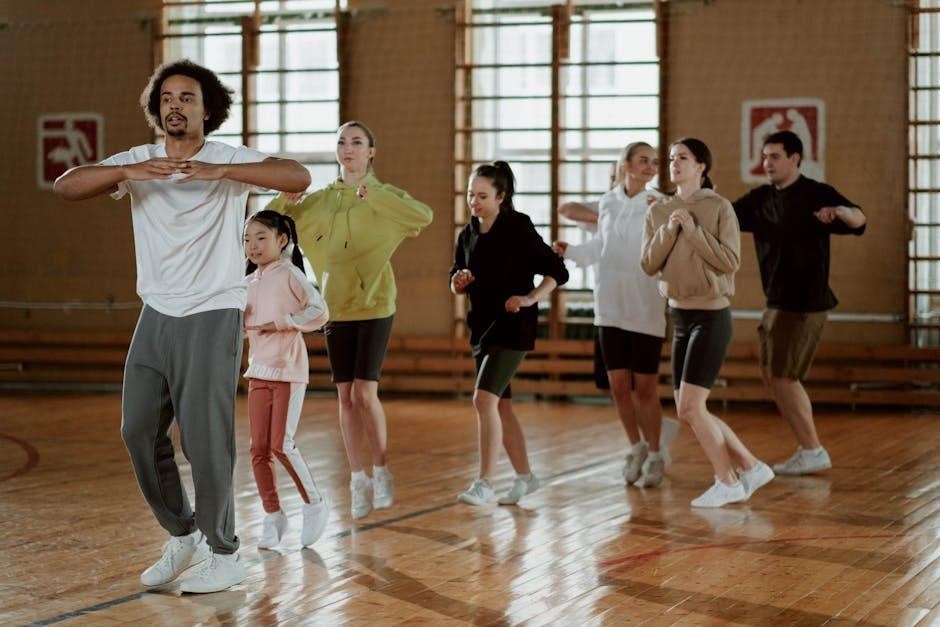
Options might involve using alternative keyboards, speech-to-text software, or simply permitting movement during tasks. Minimizing physical barriers and maximizing accessibility ensures all students can actively participate and demonstrate their understanding without being hindered by physical limitations, fostering inclusive learning environments.
Offering Options for Expression and Communication

Effective universal instruction recognizes diverse communication styles and abilities. UDL advocates providing multiple avenues for students to express their knowledge and understanding, moving beyond traditional methods like essays or presentations. This includes options like creating videos, podcasts, digital stories, or visual representations.

Allowing students to choose how they demonstrate learning caters to individual strengths and preferences. Providing sentence starters, graphic organizers, or assistive communication tools further supports expression. This fosters confidence and ensures all students can effectively communicate their ideas, regardless of their communication skills.
Supporting Executive Functions
Effective universal instruction proactively addresses executive function challenges – skills like planning, organization, and self-regulation – crucial for learning. UDL suggests providing tools and strategies to support these functions, benefiting all students, not just those with diagnosed difficulties.
This includes offering checklists, templates for assignments, and visual schedules to aid organization; Breaking down complex tasks into smaller steps, providing prompts for self-monitoring, and teaching goal-setting strategies are also beneficial. By explicitly supporting executive functions, UDL empowers students to become more independent and successful learners.
Multiple Means of Engagement: Tapping into Interests
Effective universal instruction recognizes that motivation is key to learning. UDL’s engagement principle focuses on tapping into students’ interests, offering choices, and increasing relevance. Providing options for tasks – allowing students to select topics or presentation formats – fosters autonomy and ownership.
Connecting learning to real-world applications and authentic experiences increases relevance. Minimizing distractions and threats creates a safe and supportive learning environment. By offering varied and stimulating activities, UDL sparks curiosity and sustains motivation, leading to deeper understanding and improved outcomes for all learners.
Offering Choices and Autonomy
UDL emphasizes empowering students through choice and autonomy, recognizing that learners are more engaged when they have control over their learning journey. Providing options in assignments – like selecting research topics or presentation methods – fosters a sense of ownership and responsibility.
This approach acknowledges diverse interests and learning preferences, allowing students to personalize their experience. Autonomy isn’t simply about freedom; it’s about developing self-regulation and executive functioning skills. By granting choices, UDL cultivates motivated, independent learners prepared for lifelong success.
Increasing Relevance and Authenticity
UDL thrives on connecting learning to real-world contexts, boosting student engagement by demonstrating the practical application of knowledge. Authentic tasks – projects mirroring professional scenarios or addressing community needs – ignite intrinsic motivation and deepen understanding.
Relevance isn’t merely about topical interest; it’s about showing students why learning matters. By framing lessons around genuine problems and relatable experiences, UDL fosters a sense of purpose. This approach transcends rote memorization, cultivating critical thinking and preparing students to navigate a complex world.
Minimizing Threats and Distractions
UDL recognizes that anxiety and perceived threats hinder learning. Creating a safe, predictable classroom environment is paramount; clear expectations and consistent routines reduce stress and foster a sense of security. Minimizing distractions involves thoughtful classroom design and flexible learning options.
Reducing evaluative pressure – shifting focus from grades to growth – encourages risk-taking and exploration. UDL promotes emotional safety by valuing diverse perspectives and fostering a supportive learning community where students feel comfortable participating and making mistakes.
UDL in Different Educational Settings
UDL’s principles are adaptable across diverse learning environments. In K-12 classrooms, it supports varied learning styles and abilities, fostering inclusive participation. Higher education benefits from UDL by promoting equitable access to complex material and supporting diverse student backgrounds.
Online learning environments particularly thrive with UDL, as flexibility and accessibility are crucial. Digital platforms allow for multiple means of representation and expression, catering to individual needs. Regardless of setting, UDL prioritizes proactive design, ensuring all learners can succeed.
K-12 Classrooms
UDL implementation in K-12 classrooms centers on creating flexible learning experiences. Teachers design lessons with multiple means of representation – offering content through visuals, audio, and text – to cater to diverse learning preferences. Providing options for expression, like written reports or oral presentations, allows students to demonstrate understanding in ways that suit their strengths.
Engaging students through choice and relevance is key, fostering motivation and self-efficacy. UDL proactively minimizes barriers, ensuring all students can access and participate fully in the curriculum, promoting inclusive learning environments.
Higher Education
UDL in higher education focuses on equitable access to complex material. Professors can employ varied content delivery methods – lectures, discussions, multimedia – to accommodate diverse learning styles. Offering flexible assessment options, such as projects, papers, or presentations, allows students to showcase their knowledge effectively.
UDL promotes student autonomy and relevance, connecting coursework to real-world applications. This approach fosters intrinsic motivation and supports students in developing self-advocacy skills, crucial for success beyond the classroom. It’s about designing for inclusivity from the outset.
Online Learning Environments
UDL is particularly vital in online learning, where accessibility is paramount. Digital platforms should offer customizable interfaces, adjustable font sizes, and captioning for videos to support diverse learners. Providing multiple formats for content – text, audio, video – caters to varied preferences and needs.
Interactive elements, like discussion forums and virtual labs, enhance engagement. Flexible deadlines and varied assignment types accommodate students’ differing schedules and learning paces. UDL ensures online courses are inclusive, removing barriers and maximizing learning opportunities for all participants.
Tools and Technologies to Support UDL
Assistive technology, such as screen readers and speech-to-text software, is crucial for supporting learners with disabilities, aligning with UDL principles. Digital learning platforms offering customizable features – adjustable font sizes, color contrast options, and alternative text for images – enhance accessibility.
Interactive whiteboards, multimedia presentation tools, and online collaboration platforms promote engagement and diverse expression. Utilizing these technologies allows educators to provide multiple means of representation, action, and engagement, fostering inclusive learning environments and maximizing student success.
Assistive Technology Integration
Assistive technology (AT) is paramount in UDL implementation, providing crucial support for students with diverse learning needs. Tools like screen readers, text-to-speech software, and alternative keyboards remove barriers to access, fostering independence and participation.
Effective integration involves thoughtful selection based on individual student profiles and ongoing training for both educators and learners. AT isn’t merely an add-on; it’s a core component of a universally designed learning environment, promoting equitable access to curriculum and maximizing student potential for success.

Digital Learning Platforms
Digital learning platforms offer powerful avenues for UDL implementation, providing built-in features that support diverse learners. These platforms often include customizable interfaces, adjustable font sizes, and integrated accessibility tools like captioning and translation services.
Leveraging these functionalities allows educators to present information in multiple formats and provide varied means of expression. Choosing platforms with open educational resources (OER) further enhances accessibility and reduces costs. Thoughtful platform selection and skillful integration are key to creating truly inclusive digital learning experiences.
Challenges and Considerations for UDL Implementation
Implementing UDL isn’t without hurdles. Teacher training and professional development are crucial, requiring sustained support to shift pedagogical approaches and build confidence in designing flexible lessons.
Curriculum redesign can be time-intensive, demanding collaborative planning and a willingness to adapt existing materials. Access to appropriate technology and resources is also essential, alongside addressing potential resistance to change from stakeholders. Successful UDL implementation necessitates ongoing evaluation, reflection, and a commitment to continuous improvement.
Teacher Training and Professional Development
Effective UDL implementation hinges on robust teacher training. Educators require sustained professional development to grasp UDL principles and translate them into practical classroom strategies. This includes understanding learner variability, designing accessible materials, and utilizing diverse assessment methods.
Training should move beyond introductory workshops, offering ongoing coaching, collaborative planning opportunities, and access to relevant resources. Building a community of practice fosters shared learning and supports teachers in navigating the challenges of UDL adoption, ultimately enhancing student outcomes.
Curriculum Redesign and Adaptation
UDL necessitates a shift in curriculum design, moving away from a “one-size-fits-all” approach. Effective universal instruction demands proactively building flexibility into lessons, rather than retrofitting accommodations. This involves considering multiple means of representation, action & expression, and engagement from the outset.
Redesign isn’t about creating entirely new curricula, but rather adapting existing materials to offer options and reduce barriers. Utilizing digital tools, open educational resources, and collaborative planning can streamline this process, ensuring all learners can access and demonstrate understanding.

The Future of Universal Instruction
UDL’s trajectory points towards a future where personalized learning isn’t simply differentiated instruction, but a natural outcome of universally designed learning environments. Effective universal instruction will increasingly leverage technology to provide dynamic, adaptive learning experiences tailored to individual needs.
Furthermore, UDL is integral to advancing inclusive education, dismantling barriers and fostering equitable access for all learners. This future envisions classrooms where diversity is not just tolerated, but celebrated as a strength, and where every student thrives, empowered to reach their full potential.
UDL and Personalized Learning
UDL isn’t about creating entirely individualized lessons, but rather building flexible learning environments that naturally accommodate diverse needs. This approach supports personalized learning by proactively removing barriers, allowing students to access content and demonstrate understanding in ways that resonate with them.
Effective universal instruction provides the foundation for truly personalized experiences, empowering students with agency and choice. It shifts the focus from “one-size-fits-all” to a framework where learning is customized within a universally accessible structure, maximizing engagement and achievement for every learner.
UDL and Inclusive Education
UDL is fundamentally aligned with the principles of inclusive education, striving to create learning environments where all students, regardless of ability or background, can thrive. It moves beyond simply accommodating students with disabilities to proactively designing instruction that benefits all learners.
Effective universal instruction dismantles barriers to learning, fostering a sense of belonging and equity. By offering multiple means of representation, action & expression, and engagement, UDL ensures that diverse needs are met within a single, inclusive framework, promoting success for every student.