
This comprehensive guide explores the complex origins‚ key events‚ and lasting impacts of World War I‚ covering topics from the M․A․I․N․ causes to the Treaty of Versailles․
World War I‚ a global conflict centered in Europe‚ dramatically reshaped the 20th century․ Beginning in 1914‚ it pitted the Central Powers – Germany‚ Austria-Hungary‚ the Ottoman Empire‚ and Bulgaria – against the Allied Powers‚ initially including France‚ Great Britain‚ and Russia‚ later joined by Italy and the United States․ The war’s roots lay in a complex interplay of long-term factors‚ notably militarism‚ intricate alliance systems‚ aggressive imperialism‚ and fervent nationalism․
The assassination of Archduke Franz Ferdinand served as the immediate catalyst‚ triggering a chain reaction of declarations of war․ This conflict differed vastly from previous wars due to unprecedented technological advancements and the scale of devastation․ Understanding the M․A․I․N․ causes is crucial for grasping the war’s origins and its profound consequences․
The Spark: Assassination of Archduke Franz Ferdinand
The assassination of Archduke Franz Ferdinand of Austria-Hungary‚ heir to the Austro-Hungarian throne‚ on June 28‚ 1914‚ in Sarajevo‚ Bosnia‚ is widely considered the immediate trigger for World War I․ Gavrilo Princip‚ a Bosnian Serb nationalist associated with the Black Hand‚ carried out the assassination․ This act inflamed tensions between Austria-Hungary and Serbia‚ already simmering due to nationalist aspirations in the Balkans․
Austria-Hungary‚ backed by Germany‚ issued an ultimatum to Serbia with harsh demands․ Serbia’s partial acceptance wasn’t enough‚ and Austria-Hungary declared war on July 28‚ 1914․ This declaration activated the pre-existing alliance systems‚ rapidly escalating the conflict into a global war․ The assassination‚ while the spark‚ ignited a powder keg of underlying tensions․
Long-Term Causes: The M․A․I․N․ Factors
Several long-term factors contributed to the outbreak of World War I‚ often summarized by the acronym M․A․I․N․: Militarism‚ the aggressive build-up of armed forces; Alliance Systems‚ a network of treaties obligating nations to defend each other; Imperialism‚ competition for colonies and resources; and Nationalism‚ intense patriotic fervor and desire for self-determination․
Militarism fostered a climate of suspicion and fear‚ while the Alliance Systems meant a local conflict could quickly escalate․ Imperialism created rivalries over territories‚ and Nationalism fueled tensions in regions like the Balkans․ These interconnected factors created a volatile environment where a single event could ignite a large-scale war‚ making conflict increasingly likely․
Militarism
Militarism‚ a key long-term cause of World War I‚ refers to the aggressive build-up of armed forces and the glorification of military power․ European nations engaged in a massive arms race in the decades leading up to 1914‚ particularly in naval strength between Great Britain and Germany․
This intense competition fostered a climate of suspicion and fear‚ as each nation sought to outdo its rivals․ The belief that military strength was essential for national security and prestige fueled this expansion․ Military leaders gained increasing influence in government‚ advocating for proactive strategies and preparedness‚ ultimately contributing to a heightened sense of tension and the likelihood of war․
Alliance Systems
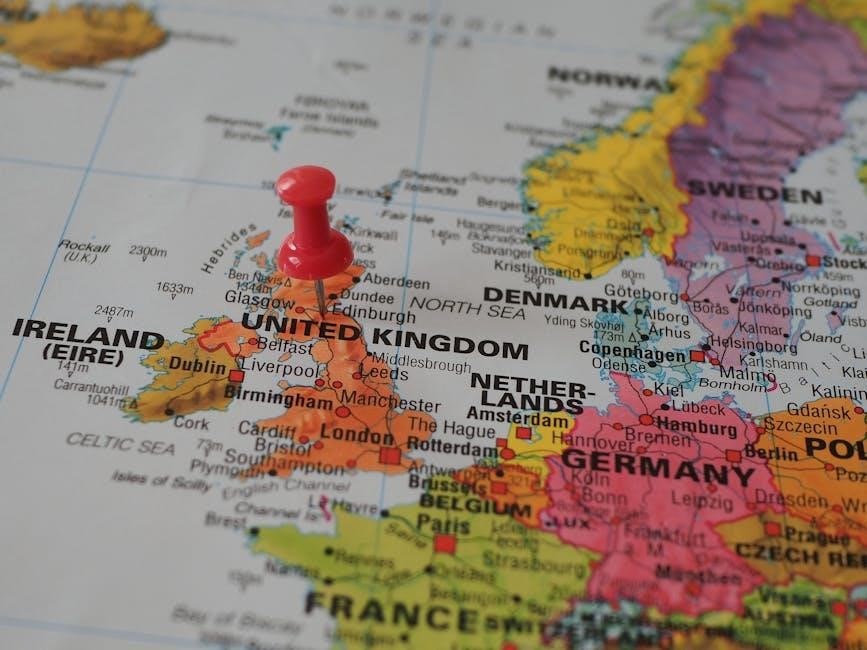
Alliance systems played a crucial role in escalating a regional conflict into a global war․ Designed to provide collective security‚ these agreements ironically created a rigid framework that drew more and more nations into the fray․ The Triple Alliance (Germany‚ Austria-Hungary‚ and Italy – though Italy later remained neutral and then joined the Allies) faced the emerging Entente Powers (France‚ Russia‚ and Great Britain)․
The Treaty of London (1914) solidified the Allied commitment not to make separate peace․ This complex web meant a localized dispute‚ like the assassination in Sarajevo‚ could quickly trigger a chain reaction of declarations of war‚ as nations honored their treaty obligations․
Imperialism
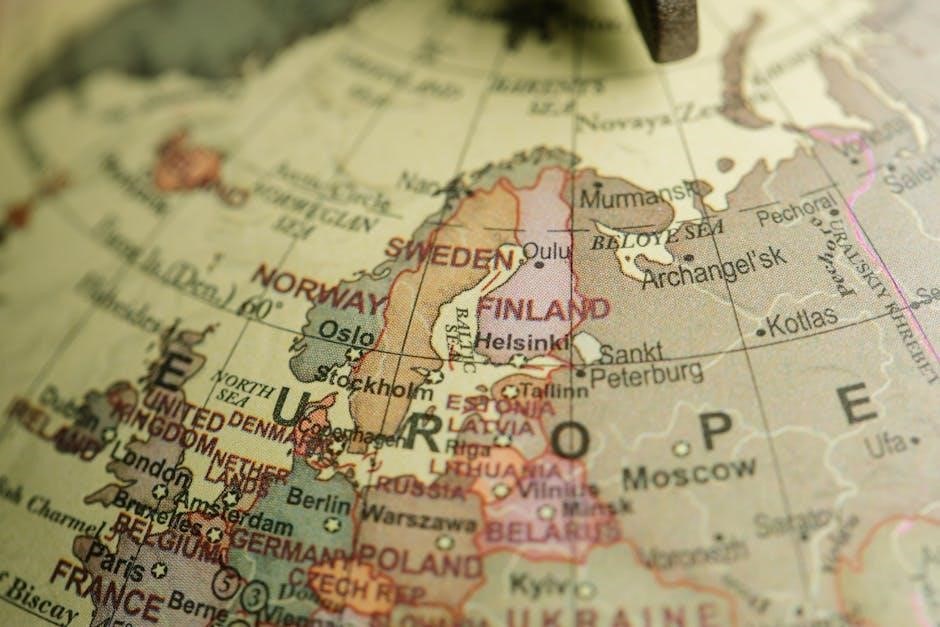
Imperialism‚ the competition for colonies and resources‚ significantly contributed to the tensions leading up to World War I․ European powers aggressively expanded their empires in Africa and Asia throughout the late 19th and early 20th centuries‚ creating economic and political rivalries․
This scramble for colonies fueled distrust and animosity between nations‚ as they clashed over territories and access to vital resources․ Germany‚ a latecomer to the imperial game‚ felt disadvantaged and sought to challenge the established colonial powers‚ particularly Great Britain and France․ These imperial ambitions fostered a climate of competition and hostility‚ exacerbating existing tensions and contributing to the outbreak of war․
Nationalism
Nationalism‚ a fervent devotion to one’s nation‚ was a potent force in early 20th-century Europe and a key long-term cause of World War I․ This intense patriotism manifested in several ways‚ including a desire for national unification‚ independence‚ and dominance․
In the Balkans‚ particularly‚ nationalism fueled separatist movements and ethnic tensions‚ creating a volatile environment․ The assassination of Archduke Franz Ferdinand‚ triggered by Serbian nationalism‚ served as the immediate spark for the war․ Moreover‚ a widespread belief in national superiority and the pursuit of national interests contributed to a climate of rivalry and mistrust among European powers‚ ultimately escalating tensions and leading to conflict․
The Alliance Systems in Detail
Prior to 1914‚ Europe was entangled in a complex web of alliances designed to maintain peace‚ ironically contributing to the outbreak of war․ The Triple Alliance (1912) initially bound Germany‚ Austria-Hungary‚ and Italy‚ though Italy’s commitment proved questionable‚ citing obligations not extending to wars of aggression and a pre-existing neutrality regarding England․
Conversely‚ the Entente Powers‚ or Allies‚ solidified with the Treaty of London (1914) between Russia‚ France‚ and Great Britain․ This treaty pledged non-separate peace‚ ensuring collective action․ These interlocking commitments meant a localized conflict could quickly escalate‚ as nations were obligated to defend their allies‚ transforming a regional dispute into a global war․
The Triple Alliance (1912) & Italy’s Position
Formally confirmed in 1912‚ the Triple Alliance linked Germany‚ Austria-Hungary‚ and Italy in a military pact․ This alliance was intended as a defensive measure against potential threats‚ particularly from France and Russia․ However‚ Italy’s position within the alliance was fraught with ambiguity and ultimately proved unreliable when war erupted․
Italy argued it wasn’t obligated to support its allies in a war deemed aggressive‚ and crucially‚ the original 1882 treaty explicitly stated the alliance wasn’t directed against Great Britain․ These arguments allowed Italy to remain neutral at the war’s outset‚ and eventually join the Allied side in 1915‚ demonstrating the fragility of pre-war commitments․

The Entente Powers (Allies) & The Treaty of London (1914)
Initially a loose understanding‚ the Entente Powers – Russia‚ France‚ and Great Britain – solidified their commitment through the Treaty of London in September 1914․ This crucial agreement bound each nation to refrain from negotiating separate peace treaties with the Central Powers‚ ensuring a united front against Germany and Austria-Hungary․
The treaty effectively transformed the Entente into a formal alliance‚ known simply as the Allies․ This commitment to collective action was vital in sustaining the war effort and preventing any single power from seeking a favorable‚ but ultimately detrimental‚ individual peace․ It laid the groundwork for coordinated strategy and resource allocation throughout the conflict․
The Outbreak of War: Initial Declarations
Following the assassination of Archduke Franz Ferdinand‚ a cascade of declarations swiftly plunged Europe into war․ Austria-Hungary‚ backed by Germany’s “blank check” assurance of support‚ issued an ultimatum to Serbia on July 23‚ 1914‚ containing demands designed for rejection․ Serbia’s partial acceptance wasn’t enough․
Austria-Hungary declared war on Serbia on July 28th․ Russia‚ bound by Pan-Slavic ties‚ mobilized its forces in support of Serbia․ Germany then declared war on Russia on August 1st and on France‚ Russia’s ally‚ on August 3rd․ The invasion of neutral Belgium by Germany on August 4th prompted Great Britain to declare war on Germany‚ completing the initial chain reaction․
Key Players: Leaders of the Major Powers
World War I witnessed a generation of leaders grappling with unprecedented conflict․ Kaiser Wilhelm II of Germany‚ a figurehead of militarism‚ played a crucial role in escalating tensions․ Franz Joseph I‚ the aging Emperor of Austria-Hungary‚ sought to preserve his empire amidst rising nationalism․
On the Allied side‚ Tsar Nicholas II of Russia faced internal unrest alongside the war effort․ Raymond Poincaré‚ President of France‚ aimed to reclaim Alsace-Lorraine․ David Lloyd George‚ later Prime Minister of Great Britain‚ navigated wartime challenges․ Woodrow Wilson‚ President of the United States‚ initially maintained neutrality before leading America into the conflict‚ advocating for a “war to end all wars․”
The Western Front: Trench Warfare

The Western Front became synonymous with brutal trench warfare‚ a defining characteristic of World War I․ Stretching across Belgium and France‚ this network of trenches extended for hundreds of miles‚ creating a static and deadly battlefield․ Soldiers endured horrific conditions – constant shelling‚ disease‚ and the ever-present threat of attack․
“No Man’s Land‚” the area between opposing trenches‚ was a desolate landscape of mud‚ barbed wire‚ and craters․ Offensives‚ like the Somme and Verdun‚ resulted in staggering casualties for minimal territorial gain․ Life in the trenches fostered a sense of despair and psychological trauma‚ profoundly impacting those who fought there․
The Eastern Front: Battles and Challenges
The Eastern Front presented a vastly different landscape and set of challenges compared to the Western Front․ Characterized by greater distances and more fluid battles‚ it pitted Germany and Austria-Hungary against Russia․ Initial Russian offensives were promising‚ but quickly faltered due to logistical issues and a lack of modern equipment․
Battles like Tannenberg and the Masurian Lakes resulted in devastating defeats for Russia‚ exposing weaknesses in their army and leadership․ The immense size of the front created significant supply problems for both sides‚ and harsh weather conditions added to the difficulties․ Internal political instability within Russia further complicated the war effort‚ ultimately contributing to its collapse․
Naval Warfare and Blockades
Naval warfare played a crucial‚ yet often overlooked‚ role in World War I․ Great Britain‚ possessing the world’s largest navy‚ implemented a strict naval blockade of Germany‚ aiming to cut off supplies and cripple the German war effort․ Germany responded with unrestricted submarine warfare‚ targeting Allied and neutral shipping․
This tactic‚ while initially effective‚ proved highly controversial‚ particularly after the sinking of passenger ships like the Lusitania․ German submarine attacks ultimately became a primary catalyst for the United States’ entry into the war in 1917․ The naval conflict extended beyond the Atlantic‚ with battles occurring in various seas and oceans․
German Submarine Warfare & US Entry
Germany’s decision to resume unrestricted submarine warfare in 1917 proved pivotal‚ directly influencing the United States’ path toward intervention․ Despite warnings from the Allied powers‚ Germany believed crippling Britain’s supply lines outweighed the risk of provoking America․ This policy meant German U-boats would attack all ships‚ including neutral and passenger vessels‚ in a designated war zone․
The sinking of several American ships and the outrage over the loss of American lives aboard British liners‚ like the Lusitania‚ fueled public anger․ President Woodrow Wilson‚ initially advocating neutrality‚ ultimately requested a declaration of war from Congress on April 6‚ 1917‚ citing Germany’s actions as a violation of international law and human rights․
The United States’ Entry into World War I (1917)
The United States’ entry into World War I in April 1917 marked a significant turning point in the conflict․ Initially maintaining a policy of neutrality‚ public opinion gradually shifted due to Germany’s unrestricted submarine warfare and the revelation of the Zimmermann Telegram․ This telegram proposed a military alliance between Germany and Mexico‚ promising the return of territories lost to the US․
President Woodrow Wilson‚ appealing to ideals of democracy and freedom‚ requested a declaration of war from Congress․ The US joined the Allied powers‚ providing crucial manpower‚ resources‚ and financial support․

Later‚ the US declared war on Austria-Hungary on December 7‚ 1917‚ solidifying its commitment to the Allied cause and ultimately contributing to their victory․
The Russian Revolution and its Impact
The Russian Revolution of 1917 dramatically altered the course of World War I․ Internal unrest‚ fueled by war weariness‚ economic hardship‚ and political dissatisfaction with the Tsarist regime‚ culminated in two revolutions․ The February Revolution led to the abdication of Tsar Nicholas II‚ while the October Revolution brought the Bolsheviks‚ led by Vladimir Lenin‚ to power․
Russia’s withdrawal from the war in March 1918‚ formalized by the Treaty of Brest-Litovsk‚ freed up German troops on the Eastern Front․ This allowed Germany to launch a major offensive against the Western Allies․
However‚ the revolution also weakened the Allied cause by removing a key member and introducing communist ideology into the global landscape․
Major Battles and Turning Points
Several battles proved pivotal in shaping the outcome of World War I․ The First Battle of the Marne in 1914 halted the German advance on Paris‚ preventing a swift victory․ The brutal Battle of Verdun in 1916 exemplified the horrific stalemate of trench warfare‚ resulting in immense casualties on both sides․
The Battle of the Somme‚ also in 1916‚ was equally devastating‚ demonstrating the limitations of frontal assaults․ 1917 witnessed significant shifts with the US entry and the successful‚ though costly‚ Allied offensives at Passchendaele․
The German Spring Offensive of 1918 represented a final attempt to break the deadlock‚ but ultimately failed‚ marking a turning point towards Allied victory․
The End of the War: Armistice and Treaty of Versailles
Facing military exhaustion and internal unrest‚ the Central Powers sought an armistice in late 1918․ The agreement‚ signed on November 11‚ 1918‚ brought an end to the fighting‚ but did not establish lasting peace․ The Treaty of Versailles‚ negotiated in 1919‚ formally concluded the war․
This treaty imposed harsh terms on Germany‚ including territorial losses‚ demilitarization‚ and substantial reparations payments․ It also assigned sole blame for the war to Germany‚ fostering resentment․
The treaty’s punitive measures‚ alongside the creation of the League of Nations‚ aimed to prevent future conflicts‚ though its effectiveness proved limited‚ ultimately contributing to future tensions․
Technological Advancements in WWI
World War I witnessed a dramatic acceleration in technological innovation‚ transforming warfare․ The introduction of machine guns‚ poison gas‚ tanks‚ and airplanes fundamentally altered battlefield tactics and increased the scale of destruction․
Submarine warfare‚ pioneered by Germany‚ posed a significant naval threat‚ impacting trade and eventually drawing the United States into the conflict․ Advancements in communication‚ like field telephones‚ improved coordination‚ though often struggled to keep pace with rapidly changing front lines․
These innovations‚ while intended to break the stalemate‚ often resulted in horrific casualties and a prolonged‚ brutal conflict‚ forever changing the nature of modern warfare․
The Human Cost of World War I
World War I inflicted an unprecedented human toll‚ leaving a lasting scar on a generation․ Millions of soldiers perished in the trenches‚ succumbing to relentless artillery fire‚ machine gun volleys‚ and the horrors of chemical warfare․ Beyond the battlefield deaths‚ countless civilians suffered from starvation‚ disease‚ and displacement․
The war’s psychological impact was profound‚ with widespread shell shock – now recognized as PTSD – affecting many veterans․ Entire communities were decimated‚ and the demographic landscape of Europe was irrevocably altered․
The sheer scale of loss fostered a sense of disillusionment and grief‚ shaping the post-war world and influencing future generations․
Long-Term Consequences of the War
The aftermath of World War I reshaped the global political landscape‚ sowing the seeds for future conflicts․ The Treaty of Versailles‚ intended to secure peace‚ instead fostered resentment and instability‚ particularly in Germany‚ due to its harsh terms and war guilt clause․
The collapse of empires – Ottoman‚ Austro-Hungarian‚ Russian‚ and German – led to the creation of new nations‚ often with unresolved ethnic and territorial disputes․ The League of Nations‚ though ambitious‚ proved ineffective in preventing aggression․

Economically‚ the war devastated Europe‚ leading to widespread debt and inflation‚ while the United States emerged as a global economic power․ The war also accelerated social changes‚ including increased rights for women and the rise of new ideologies․
Historiography and Different Interpretations of WWI
Historical interpretations of World War I have evolved significantly over time․ Early accounts often focused on assigning blame‚ particularly to Germany‚ reflecting the prevailing post-war sentiment․ This “war guilt” thesis dominated for decades․
Later‚ revisionist historians challenged this view‚ arguing that responsibility was more widely shared among the major powers‚ emphasizing the complex interplay of M․A․I․N․ factors – Militarism‚ Alliances‚ Imperialism‚ and Nationalism․
More recent scholarship explores the social and cultural dimensions of the war‚ examining its impact on individual experiences and collective memory․ Debates continue regarding the war’s inevitability‚ the role of leadership‚ and its long-term consequences‚ demonstrating the ongoing complexity of understanding this pivotal event․