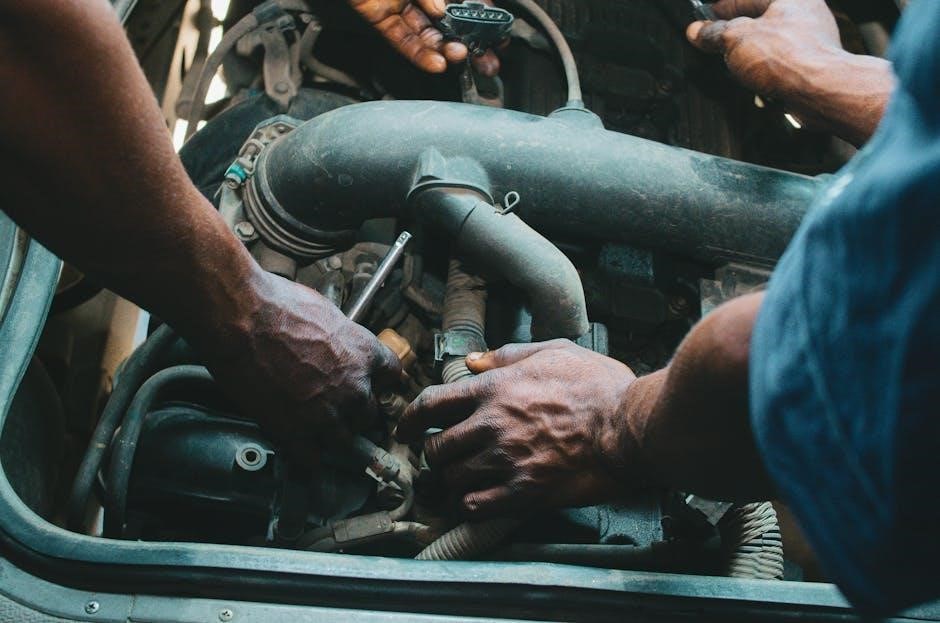
Scotsman ice machines, vital for businesses, sometimes falter. This troubleshooting guide helps diagnose common issues, from error codes to ice production problems, ensuring efficient operation.
Understanding Your Scotsman Ice Machine
Scotsman ice machines are complex systems, varying by model – air-cooled, water-cooled, or remote condensers. Familiarize yourself with your specific unit’s manual; it details components and operational sequences. Key parts include the water inlet valve, reservoir, evaporator, auger motor (for moving ice), and the defrost system.
Understanding the ice-making cycle is crucial. Water enters, freezes on the evaporator, and is harvested. The auger moves ice to the bin. Defrost cycles prevent ice buildup. Common error codes signal issues within these systems. Knowing these basics empowers effective troubleshooting, allowing you to pinpoint problems before calling a technician. Regular preventative maintenance, as outlined in the manual, extends the machine’s lifespan and minimizes downtime.
Safety Precautions Before Troubleshooting
Prioritize safety when working on your Scotsman ice machine. Always disconnect power at the circuit breaker before any inspection or repair. Water and electricity are a dangerous combination; ensure hands and the work area are dry.
Be cautious of sharp edges within the machine, particularly around the evaporator and auger. Refrigerant lines carry high pressure; never attempt to disconnect or repair them yourself – this requires a certified technician. Wear appropriate personal protective equipment (PPE), including safety glasses and gloves. If you smell refrigerant, ventilate the area immediately and contact a professional. Ignoring these precautions can lead to serious injury or damage to the machine.

Common Scotsman Ice Machine Problems
Scotsman machines frequently experience issues like low ice production, water supply problems, and electrical failures, demanding prompt troubleshooting for optimal performance.
Ice Production Issues
Reduced ice output is a common concern with Scotsman ice machines. Several factors can contribute to this, ranging from simple issues like a clogged water filter to more complex problems within the refrigeration system. Low ice production often signals a restriction in the water supply, a malfunctioning water inlet valve, or a buildup of scale within the machine.
Conversely, no ice production typically indicates a more significant issue. This could stem from a failed harvest cycle, a faulty ice thickness control, or an error related to the ice sensing mechanism – often flagged by Error Code 1. Thoroughly checking the water supply, power connections, and relevant error codes is crucial for effective diagnosis. Remember to consult the machine’s manual for specific troubleshooting steps related to ice production.
Low Ice Production
Scotsman ice machines experiencing low ice production require systematic investigation. Begin by verifying the water supply pressure; insufficient pressure hinders ice formation. A clogged water filter restricts water flow, directly impacting output – regular filter replacement is vital. Inspect the water inlet valve for proper operation; a failing valve limits water entry.
Scale buildup within the water system also restricts flow and reduces efficiency. Furthermore, examine the air temperature surrounding the machine; excessively warm environments strain the refrigeration system. If the auger motor is under high load (potentially indicated by Error Code 2), it can impede ice removal, lowering production. Addressing these factors often restores optimal ice output.
No Ice Production
Complete lack of ice production in a Scotsman ice machine signals a more significant issue. First, confirm power is reaching the unit and the machine isn’t in a shutdown mode due to an error code, particularly Error Code 1 (No Ice Sensed). Verify the water supply is fully connected and turned on; no water means no ice.
Inspect the harvest cycle; a failure here (Error Code 4) prevents ice from being released. A malfunctioning water inlet valve or a frozen water line will also halt production. Check the freezer grid for ice buildup, potentially caused by a defrost failure (Error Code 5). Finally, ensure the auger motor isn’t jammed, as this prevents ice from being discharged.
Water Supply Problems
Water supply issues are frequent causes of Scotsman ice machine malfunctions. No water supply directly translates to no ice; check the main water line, shut-off valves, and the machine’s water filter for blockages. A clogged filter restricts water flow, impacting ice production. Error Code 3 (No Water in Reservoir) specifically indicates a water level problem.
Water leaks can stem from several sources: loose connections at the water inlet valve, cracked water lines, or a faulty water pump. Inspect all visible tubing and connections for drips or pooling water. Address leaks promptly to prevent water damage and maintain efficient operation. Regularly check the drain lines for obstructions, as backups can mimic leaks.
No Water Supply to the Machine
If your Scotsman ice machine isn’t receiving water, begin by verifying the main water supply is turned on and hasn’t been accidentally shut off. Inspect the water line leading to the machine for any kinks or obstructions that could restrict flow. A crucial step is checking the machine’s dedicated shut-off valve, ensuring it’s fully open.
Next, examine the water inlet valve itself; it might be faulty or clogged with sediment. A clogged water filter is a common culprit, significantly reducing water pressure. Error Code 3 often accompanies this issue. Replace the filter if it appears dirty. If these steps don’t resolve the problem, a professional assessment may be needed.
Water Leaks
Water leaks in a Scotsman ice machine can stem from several sources. First, inspect all water line connections – inlet, drain, and internal tubing – for looseness or damage. Tighten any loose fittings, and replace cracked or worn tubing immediately. Check the drain pan for cracks or obstructions that could cause overflow.
Examine the water inlet valve and pump for signs of leakage. A faulty valve or pump seal is a common cause. Also, inspect the ice storage bin for proper sealing; a poor seal can lead to melting and subsequent leaks. If the leak persists after these checks, it could indicate a more serious internal issue requiring professional attention.
Electrical Issues
Electrical problems can halt your Scotsman ice machine’s operation. Begin by verifying the machine is properly plugged into a functioning outlet; A tripped circuit breaker is a frequent culprit; reset it if necessary, but investigate why it tripped in the first place – repeated tripping signals a larger issue.
If the machine won’t turn on, check the power switch and internal fuses. A blown fuse indicates a potential short circuit. Carefully inspect wiring for damage or loose connections. Always disconnect power before inspecting electrical components! If you’re uncomfortable working with electricity, or suspect a significant electrical fault, immediately contact a qualified technician to avoid hazards.
Machine Won’t Turn On
When your Scotsman ice machine fails to power on, systematic troubleshooting is key. First, confirm the unit is securely plugged into a working electrical outlet. Test the outlet with another device to rule out outlet failure. Next, inspect the machine’s power switch – ensure it’s fully engaged.
Check for blown internal fuses; a replacement is needed if found. Carefully examine the wiring for any visible damage, loose connections, or signs of burning. Always disconnect power before any internal inspection! If these steps don’t resolve the issue, a more complex electrical fault may exist, requiring a qualified technician’s expertise.
Tripped Circuit Breaker
A frequently tripped circuit breaker signals an electrical overload or short circuit within the Scotsman ice machine. Before resetting the breaker, identify the cause. Avoid repeatedly resetting a tripped breaker without addressing the underlying issue, as this poses a fire hazard.
Inspect the power cord for damage. Check for any signs of water intrusion near electrical components. High current draw from components like the compressor or defrost heater can trigger tripping. If the breaker trips immediately upon reset, a serious electrical fault exists. Do not attempt further troubleshooting yourself; contact a qualified technician immediately for safe and effective repair.
Scotsman Ice Machine Error Codes
Scotsman utilizes error codes to pinpoint malfunctions. Understanding these codes – like Error Code 1 (no ice sensed) or Error Code 2 (auger motor load) – is crucial for diagnosis.
Error Code 1: No Ice Sensed
Error Code 1 on a Scotsman ice machine indicates the control board hasn’t detected ice after a harvest cycle. This often triggers an immediate shutdown to prevent damage. Several factors can cause this. First, check the ice thickness control; an incorrect setting might prevent sufficient ice formation. Inspect the harvest card for proper functionality, as it initiates the ice separation process.
A faulty ice level sensor is a common culprit – verify its placement and wiring. Also, examine the water inlet valve; insufficient water can lead to incomplete ice cycles. If the machine continues to display Error Code 1 after these checks, the control board itself might be malfunctioning and require professional attention. A flashing Error Code 1 signifies the machine is retrying ice sensing, suggesting an intermittent issue.
Error Code 1 (Flashing): Retrying Ice Sensing

A flashing Error Code 1 on your Scotsman ice machine signifies the control board is repeatedly attempting to detect ice, but failing consistently. This suggests an intermittent problem, unlike a solid Error Code 1 which indicates a complete failure to sense ice. Begin by inspecting the ice thickness control; fluctuating settings can cause inconsistent ice formation.
Check the ice level sensor for obstructions or loose wiring, as this is crucial for accurate detection. A partially clogged water inlet valve could be delivering insufficient water, leading to incomplete cycles. Examine the harvest cycle components for any signs of malfunction. If the issue persists, a failing control board might be the root cause, requiring a technician’s expertise to diagnose and repair.
Error Code 2: Auger Motor High Load
Error Code 2 on a Scotsman ice machine indicates the auger motor is experiencing excessive resistance during ice movement. This often points to a blockage within the ice storage bin or the auger itself. Begin by thoroughly inspecting the bin for any foreign objects – glasses, straws, or ice clumps – obstructing the auger’s path.
Verify the auger blades aren’t damaged or worn, as this can increase friction. A frozen-over ice bridge can also create a high load. Check the ice thickness; overly thick ice can strain the motor. If the obstruction is cleared and the issue remains, the auger motor itself may be failing and require replacement by a qualified technician.
Error Code 3: No Water in Reservoir
A Scotsman ice machine displaying Error Code 3 signifies the water reservoir isn’t filling as expected. First, confirm the water supply is turned on and connected to the machine. Inspect the water inlet valve for any obstructions or malfunctions; a clogged valve prevents water flow. Check the water filter – a dirty filter restricts water pressure.
Low water pressure to the machine is a common cause. Verify the incoming water pressure meets the manufacturer’s specifications. Examine the water line for kinks or freezing. If these checks don’t resolve the issue, the water inlet solenoid might be defective, requiring professional diagnosis and potential replacement.
Error Code 4: Harvest Cycle Failure
Error Code 4 on a Scotsman ice machine indicates a problem during the ice harvesting process. This often points to issues with the ice grid, the hot gas valve, or the timing of the harvest cycle. Begin by inspecting the ice grid for any physical damage or ice buildup obstructing its function. A malfunctioning hot gas valve prevents proper separation of the ice from the grid.
Check the defrost cycle; an incomplete defrost can lead to ice adhesion. Verify the timer and sensors controlling the harvest cycle are functioning correctly. If the problem persists, a faulty control board could be the culprit, requiring professional assessment and repair. Ignoring this error can lead to reduced ice production and potential damage.
Error Code 5: Defrost Failure
Error Code 5 on a Scotsman ice machine signals a failure in the defrost cycle, crucial for removing ice buildup on the evaporator plate. This often stems from a faulty defrost heater, a malfunctioning defrost timer, or a defective defrost thermostat. Begin by inspecting the defrost heater for continuity using a multimeter; a break indicates replacement is needed.
Verify the defrost timer is advancing correctly and initiating the defrost cycle. Check the defrost thermostat, ensuring it’s closing to allow power to the heater. A blocked defrost drain can also contribute to this error. If these checks don’t resolve the issue, a control board malfunction might be present, necessitating professional diagnosis and repair.
Component-Specific Troubleshooting
Scotsman machines require focused component checks. Water inlet valves, auger motors, ice thickness controls, and defrost systems demand individual diagnostic approaches for optimal repair.
Water Inlet Valve Issues
Water inlet valve malfunctions are frequent Scotsman ice machine problems. Begin by verifying water supply pressure; insufficient pressure hinders valve operation. Inspect the valve itself for physical damage, corrosion, or blockage. A faulty solenoid can prevent the valve from opening, resulting in no water entering the machine.
To test the valve, use a multimeter to check for continuity. No continuity indicates a failed solenoid. Also, examine the valve’s screen filter for sediment buildup, which restricts water flow. Replacement is often necessary for severely damaged or clogged valves. Ensure the new valve matches the machine’s specifications. Proper installation and testing post-replacement are crucial for restoring water supply and ice production. Remember to disconnect power before any inspection or repair.
Auger Motor Problems
Auger motor failures in Scotsman ice machines often manifest as Error Code 2: Auger Motor High Load. This indicates the auger is struggling to move ice. First, check for ice buildup obstructing the auger’s rotation. Ensure no foreign objects are lodged within the ice chute or auger assembly. A jammed auger strains the motor, potentially causing overheating and failure.
Test the motor’s voltage with a multimeter to confirm it’s receiving power. If power is present, but the motor doesn’t run, the motor itself is likely defective and requires replacement. Inspect the drive belt connecting the motor to the auger for wear or breakage. A slipping or broken belt prevents proper ice movement. Always disconnect power before inspecting or repairing the auger system.
Ice Thickness Control Malfunctions
Scotsman ice machines rely on a precise ice thickness control system. Malfunctions lead to inconsistent ice cube sizes – too thick or too thin. A faulty water level sensor can disrupt this control, causing overfilling or underfilling of the evaporator plate. Inspect the sensor for damage or debris obstructing its function.
The harvest cycle timing is crucial; incorrect timing results in improper ice thickness. Check the control board settings and ensure they align with the desired ice cube size. A defective thermistor, responsible for monitoring evaporator temperature, can also cause thickness issues. Verify the thermistor’s resistance value and replace if outside specifications. Proper calibration is key to consistent ice production.
Defrost Timer and Heater Troubleshooting
Scotsman ice machines utilize a defrost cycle to prevent ice buildup on the evaporator. A malfunctioning defrost timer can cause irregular or absent defrosting, leading to reduced ice production. Verify the timer’s operation using a multimeter, checking for continuity during the defrost cycle. A faulty defrost heater is another common issue; inspect it for breaks or damage.
Test the heater’s resistance – an open circuit indicates failure. Also, examine the defrost termination thermostat, which protects the heater from overheating. If it’s defective, the heater won’t activate. Ensure proper wiring connections to all components. A failed defrost cycle results in ice accumulation, hindering ice production and potentially damaging the machine.
Preventative Maintenance
Regular cleaning and filter replacements are crucial for optimal Scotsman ice machine performance. Consistent upkeep minimizes breakdowns and extends the machine’s operational lifespan.
Regular Cleaning Schedule
Establishing a consistent cleaning schedule is paramount for maintaining a hygienic and efficiently operating Scotsman ice machine. Daily tasks should include wiping down exterior surfaces and inspecting the water distribution tubes for any visible buildup. Weekly, a thorough cleaning of the water reservoir is essential, removing any scale or sediment that may have accumulated.
Monthly, a deep clean involving a descaling solution is recommended to eliminate mineral deposits within the machine’s internal components. Pay close attention to the evaporator plate and the auger assembly, ensuring they are free from ice buildup and debris. Quarterly, inspect and clean the air filters to maintain proper airflow. Finally, annual professional cleaning is advised for a comprehensive assessment and cleaning of all internal parts, ensuring longevity and optimal performance of your Scotsman unit.
Filter Replacement Guidelines
Maintaining optimal water quality is crucial for Scotsman ice machine performance, and regular filter replacement is key. Sediment filters typically require changing every 3-6 months, depending on water quality and usage. Carbon filters, responsible for removing chlorine and other impurities affecting taste, should be replaced every 6-12 months.
Always refer to your machine’s manual for specific filter recommendations and replacement intervals. Ignoring filter replacement can lead to scale buildup, reduced ice production, and compromised ice quality. When replacing filters, ensure proper installation to prevent leaks and maintain water flow. Using genuine Scotsman filters guarantees compatibility and optimal filtration, safeguarding your investment and ensuring consistently clean, clear ice.

Advanced Troubleshooting & When to Call a Technician
Refrigerant issues and complex wiring demand expert attention. If you suspect these, or persistent problems remain, contact a qualified Scotsman technician immediately.
Checking Wiring and Connections
Before beginning, disconnect power to the ice machine! Carefully inspect all visible wiring for signs of damage – fraying, burning, or loose connections. Pay close attention to wiring near the compressor, fan motors, and control board. Gently tug on each wire to ensure it’s securely fastened to its terminal. Look for corroded connectors, which can impede electrical flow. Use a multimeter to test continuity in key circuits, verifying that power is reaching components as expected. Document any discrepancies or damaged wiring. If you find significant wiring issues, or are uncomfortable performing these checks, it’s best to consult a qualified technician. Incorrectly handled wiring can create safety hazards and further damage the machine. Remember to reconnect power only after confirming all connections are secure and safe.

Identifying Refrigerant Issues
Refrigerant problems significantly impact ice production. Low refrigerant levels often manifest as reduced or absent ice, alongside a compressor that runs constantly. However, diagnosing refrigerant issues requires specialized tools and knowledge – do not attempt to handle refrigerant yourself! Look for signs of oil around refrigerant lines or the compressor, indicating a potential leak. A qualified technician will use gauges to measure refrigerant pressure and detect leaks using electronic leak detectors. Proper refrigerant charge is crucial for efficient operation. If a leak is found, the technician will repair it, evacuate the system, and recharge it with the correct type and amount of refrigerant. Ignoring refrigerant issues can lead to compressor failure and costly repairs.
Knowing When Professional Help is Needed

Despite diligent troubleshooting, some issues demand a qualified technician. Refrigerant handling, as previously mentioned, requires certification and specialized equipment. Electrical problems beyond simple circuit breaker resets should be addressed by a professional to prevent hazards. Complex error codes that persist after basic checks also warrant expert attention. If you suspect internal component failure – like a faulty compressor or control board – professional diagnosis is essential. Attempting advanced repairs without proper training can void warranties and cause further damage. Don’t hesitate to call a technician if you’re uncomfortable or unsure about any repair; safety and proper functionality are paramount.